Saturday, March 23, 2013

Race Day Management

Workout planning, coaching on the water, trailer driving, inspiration, boat repair, rigging, trip planning and dozens of other skills are all part of what defines "coach."  Today at the John Hunter Regatta, another important ability came into play:  creative race day management.

The heavens opened long before we got to the course, with a cold rain before dawn pelting down in 40 degree weather.  Horrid, cold and wet.  Add in the occasional lightning and the announcement before first call was easy to predict:  delay.  We got the boat down, rigged and carried the oars over.  I then told the girls to find someplace in the Lake Lanier boathouse to keep dry and sort of warm, like the coach of EVERY other team there. 

We found hoards of wet, cold high-strung rowers, stuffed into a room triple its capacity.  I managed to find an out of the way corner down a hallway and some chairs, so we didn't have to breathe the stank breath of everyone else.  The girls were already hungry, and rumors of the fabled Biscuit Shop quickly spread.  When word came down of a three hour delay, my decision was easy.  "Let's get some food."  There are two tables in the place, but the biscuits are warm from the oven and ready instantly.  Crew fed.  Check.  Must keep crew fed.

But now where?  We filled that place and I couldn't keep the kids there for the next two hours.  More than anything, I wanted someplace quiet, out of the rain where they might be able to nap, get some schoolwork done or surf their smartphones.  Anything but think about rowing in the cold rain.  Setting up the tent next to the trailer would put us outside and in the mud.  We couldn't overstay our welcome at the shop.  Where next?  Starbucks?

How about the Hall County library........open just as we finished eating, chairs, quiet and with very fast WiFi.  I'm sitting there now, and here are my rascals....


Fed, safely asleep, warm and off their feet.  Check all boxes.  

All of the preparation for a race can go right out the window if a coach can't keep his crew comfortable and ready on the race day.  A hungry, shivering team won't perform anywhere near its best.  Managing the challenges of race day has become something I've gotten better at.  Years ago, I might have just fumed at the officials, paced around, driven more hair grey and not actually DONE anything to help my team.  Today, I couldn't care less when the race starts, as I've got the twitter feed and a warm, rested fed crew.  

Speaking of twitter, the feed suggests the regatta should restart soon.  Time to wake them up.


Wednesday, March 13, 2013

Examining the past

Todd Jesdale showed me his files once.  Boxes of notebooks, programs and shirts occupied an entire room in his home.  As you can imagine if you know Todd, it wasn't very organized, but he seemed to know where everything was.  Workout results, records, seat racing notes, entire seasons of memories sat in that room.

I don't think I'm even as organized as Todd was, but I've been "saved" by modern technology.  As everyone knows, the internet forgets nothing, especially when nobody pressed the DELETE button.  Obviously, this blog is still here, preserving my insanity as a second-year coach from 2005.  My Youtube channel is also still up, with videos I took of my crews from 2009 all the way to this past weekend.  I've even managed to find a few notebooks.  There's a flash drive somewhere with workout results from 2004.

So I've been reading through this stuff for the last few days.  Call it introspection, personal or professional self-scouting, whatever.  And I've come to a few conclusions:

1) I've gotten old.   I know, I say that all the time, like everybody in their 30s.  However, there is a lot more grey in my hair.  I'm not nearly as intense nor do I lose my temper as easily as I used to.  I've even been polite to referees the past few years.  Shocking, I know.

2) I still LOVE coaching There is absolutely nothing in the world I would rather do than teach people how to row, how to train and how to love this sport.  I've had some challenges these past few years, times when I can't say I was happy with the direction of my life, but I've always loved coaching.

3)  I've finally learned patience  I had a brand-new, first time assistant coach sending her novices out at a regatta a few years ago.  She reminded me so much of how itchy, twitchy and nervous I used to get.  Her crew didn't have a very good day (they flipped--story later) but I hope my patient good humor and the humor of her crew helped get her through a tough first outing.  (That crew went on to become a great novice team.)  I've realized there are things I can't change immediately, and thus I'm a lot more relaxed when short-term setbacks come around.

4) I still care deeply about my teams, but I've learned to pull back Getting older will do such things, I know, but while I used to thoroughly enjoy being a close part of their lives, I now am more reserved.  Communication is still very, very important to me (2000+ texts/month), but I'm not all over their Facebook pages.  There has to be a happy medium that I'm still searching for.  Things still get a little dusty when they win a big event, though.

5) I plan better  This was never my strong suit.  Flying by the seat of my pants was the usual way I would run practices.  Seat racing?  How about......now?   These days, I've got most of the season planned out on a google doc my crew can access months ahead of time.

Getting old still sucks, though.


Thursday, March 07, 2013

This is still here?!?!

Shockingly, this thing is still here.......... I might start writing on it again. Shout out to Reddit.com/r/Rowing for somebody mentioning a five year old post and inspiring me to look at this again. I'll have to spend some time here deciding what might need to go and looking to re-load some images. I'll be messing about with backgrounds and other formatting.

Monday, February 11, 2013

Stress (don't ever quit)


REPOST.


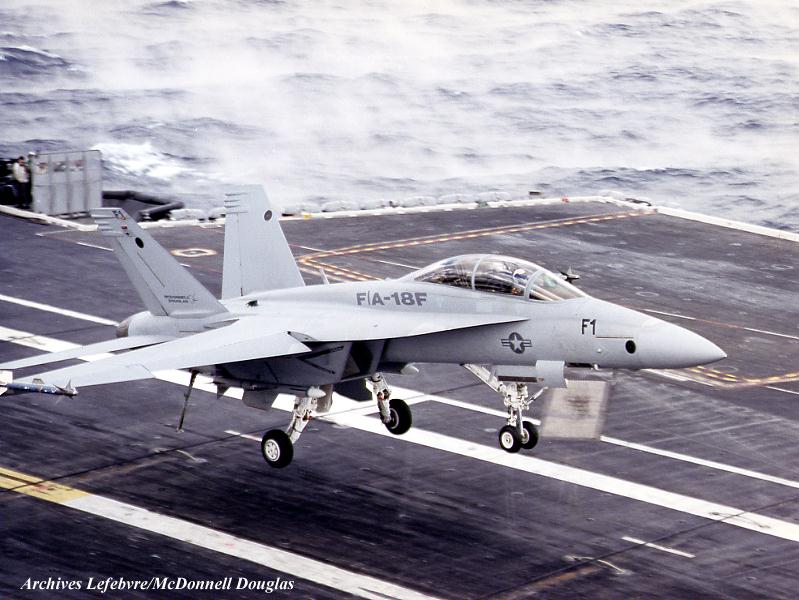
There was a famous study done during the Vietnam War that I'm sure may of you have heard about. EKGs were fitted to Navy pilots to measure stress during combat. The researchers were surprised by the results, which revealed the greatest moments of stress came during landing after a mission. Pilots were at greater stress at that moment, instead of during a violent launch, delicate mid-air refueling or terrifying high-g avoidance maneuvers. The reasons included the precision required by landing a high-speed jet on a relatively small, pitching carrier deck, many times in the dark.

I believe another reason also included somebody called the Landing Signal Officer. This job is to help the pilots land on the carrier using a system of lights and mirrors. After the landing, the LSO grades the "pass." Pilots are graded on their bomb damage by intelligence, sometimes days later. Landing grades are given immediately, and the pilot signs off on his grade with the maintenance log of his or her aircraft. Because of the immediacy of the feedback, pilots (known for supreme self-confidence and motivation) put a lot of pressure on themselves over their grades. The risks of crashing a multimillion dollar airplane into a nuclear-powered ship and starting a little fire might also have something to do with the stress.


Yes, there is a rowing point to all this. I equate that sort of stress with the reasons rowers hate and stress about the erg so much. Unlike rowing in a boat, the ergometer is an individual performance, with the numbers right on the screen in front of the athlete. As Topher Bordoux wrote in a column recently, "That almighty number rules your world. The machine either says you're a god or you suck." This kind of pressure, like that faced by pilots when landing, is the worst sort; this kind of pressure is self-inflicted. The athlete not only feels the desire to perform well, but also feels naked and exposed to their teammates when the performance isn't up to what the athlete expects. Nevermind that everyone else in the room is also feeling the same thing, everyone reacts as though their monitor was being projected on the wall, with a big "YOU SUCK" right there.

This is the sort of pressure that rowers feel when they give up on a workout and quit in the middle of a piece. A sense of despair rolls over the mind, and as the pain increases, the athlete reaches a point that they feel too miserable about their poor performance to continue. Frustration boils over into shouts, moans and a big scene. Suddenly, a tough workout has become something everyone notices. Where that athlete may or may not have held the attention of one or two people, they now have the attention of everyone in the room. Even as the workout continues, every other athlete knows who's quit on the piece.

During the Pittsburgh erg race last weekend, some of the Pitt kids apologized to me after pulling races below what they were capable of. My position was and still is not to expect or even accept such apologies. I've been where all of these athletes are, and I know the fortitude required to even walk into the gym some days. Finishing an erg race is praiseworthy in my book, especially after a piece that wasn't going well. It's really hard to row out an erg workout when the scores and energy just isn't there. Everyone has days like that, and I understand. Toughing out a bad piece is a testament to the courage of the oarsman.

Quitting on a workout is the only situation that I really feel disappointment in the athlete. That says that there is some courage lacking that should be there. Don't get me wrong, everyone has quit on a piece at some point in time or another, sometimes for injury. Sometimes those injuries aren't real. But the entire crew knows when somebody gets off the machine (something that really never happens in the boat) and that implants the most damaging thought in the mind of everyone else in the room: "Can I trust this person in my boat? What happens in a race?"

Trust is the basis of everything we do in rowing. The athletes must trust the coaches that have prepared them, the coaches must trust the coxswains to execute the race plan and not hit a bridge, and the coxswains must trust the oarsmen to follow orders. Most of all, the athletes must trust each other, that everyone knows everyone else is giving total commitment an output. If the rowers don't think everyone else in the boat is going as hard as possible, they will take a little off themselves. It's only natural; who wants to kill themselves carrying some lazy s*** down the course?

The basis of trust in oneself and one's teammates should be enough to hold everyone on the machines 99% of the time. Getting off the machine breaks trust with oneself, as well as everyone else in the room, because it implants doubt in everyone's mind, including the coach. Tough it out, rowers. Even if the time sucks, tough it out. Everyone will respect that far more than giving up on yourself and everyone else.

Categories: , , , ,